
The complete guide
Your Complete Guide to Solar Powered Bird Repellers and Solar Powered Bird Repel
Solar Bird Deterrent: Your Complete Guide to Solar Powered Bird Repellers and Solar Powered Bird Repellent Solutions
When birds take up residence on your property, what starts as a minor annoyance quickly escalates into a serious and expensive problem. Droppings corrode surfaces, nesting materials block ventilation systems, and persistent flocking creates noise and hygiene issues that affect everything from residential comfort to commercial operations. Traditional bird control methods often fall short because they require constant maintenance, consume electricity, or rely on batteries that run flat at the worst possible time.
That is where a solar bird deterrent changes the game entirely. Harnessing clean, free energy from the sun, a solar powered bird repeller delivers continuous, automated bird control without wiring, without ongoing power costs, and without the hassle of replacing batteries every few weeks. Whether you are protecting a rooftop, a farm, an orchard, a warehouse, or a waterfront property, a solar powered bird repellent system offers one of the most practical, cost effective, and environmentally responsible solutions available today.
This guide walks you through everything you need to know about solar bird deterrents, from how they work and the different types on the market, through to installation best practices, maintenance tips, and how to select the right device for your specific situation.
Understanding the Problem: Why Birds Cause So Much Damage
Before investing in any bird control solution, it helps to understand exactly why birds are such a persistent and costly problem. Many property owners only realise the full extent of the damage once it has already become severe.
Structural and Surface Damage
Bird droppings are far more destructive than most people realise. The uric acid in droppings eats into paint, metal, concrete, stone, and timber. Left uncleaned, droppings will permanently stain building facades, degrade roofing membranes, and corrode steel structures and support beams. On vehicles, machinery, and outdoor equipment, the acidic residue causes paint bubbling and surface pitting that leads to rust. For businesses, this translates directly into unplanned maintenance costs and reduced asset lifespans.
Nesting materials compound the problem further. Birds build nests in gutters, downpipes, ventilation ducts, chimney flues, and roof cavities. Blocked gutters cause water to back up and overflow, leading to damp walls, ceiling damage, and foundation erosion. Nests inside ventilation systems reduce airflow efficiency and, in the worst cases, create fire hazards when dry nesting material sits near heat sources.
Health and Hygiene Hazards
Bird droppings harbour more than 60 known pathogens that can affect humans. Histoplasmosis, salmonellosis, and cryptococcosis are among the most common diseases associated with dried droppings that become airborne as dust particles. In food processing facilities, warehouses, restaurants, and healthcare buildings, the presence of bird contamination can result in failed health inspections, regulatory penalties, and reputational harm that takes years to recover from.
Beyond droppings, bird nests attract secondary pests including mites, lice, ticks, and carpet beetles. These parasites can migrate from nests into occupied spaces, creating additional health concerns for residents, employees, and customers.
Disruption to Operations and Daily Life
For commercial properties, bird infestations disrupt operations in ways that go beyond cleaning costs. Birds roosting on signage obscure branding. Droppings on walkways and entrances create slip hazards and deter customers. Aggressive species like seagulls and magpies intimidate staff and visitors in outdoor areas. In residential settings, early morning bird noise, fouled laundry hanging outdoors, and contaminated swimming pools are all common complaints that a solar bird deterrent can resolve.
What Makes Solar Bird Deterrents Different
Bird control products have existed for decades, from simple plastic owls and reflective tape to complex netting systems and electric shock strips. So what sets a solar bird deterrent apart from these traditional approaches, and why is it becoming the preferred choice for property owners and facility managers?
Self Sustaining Power Supply
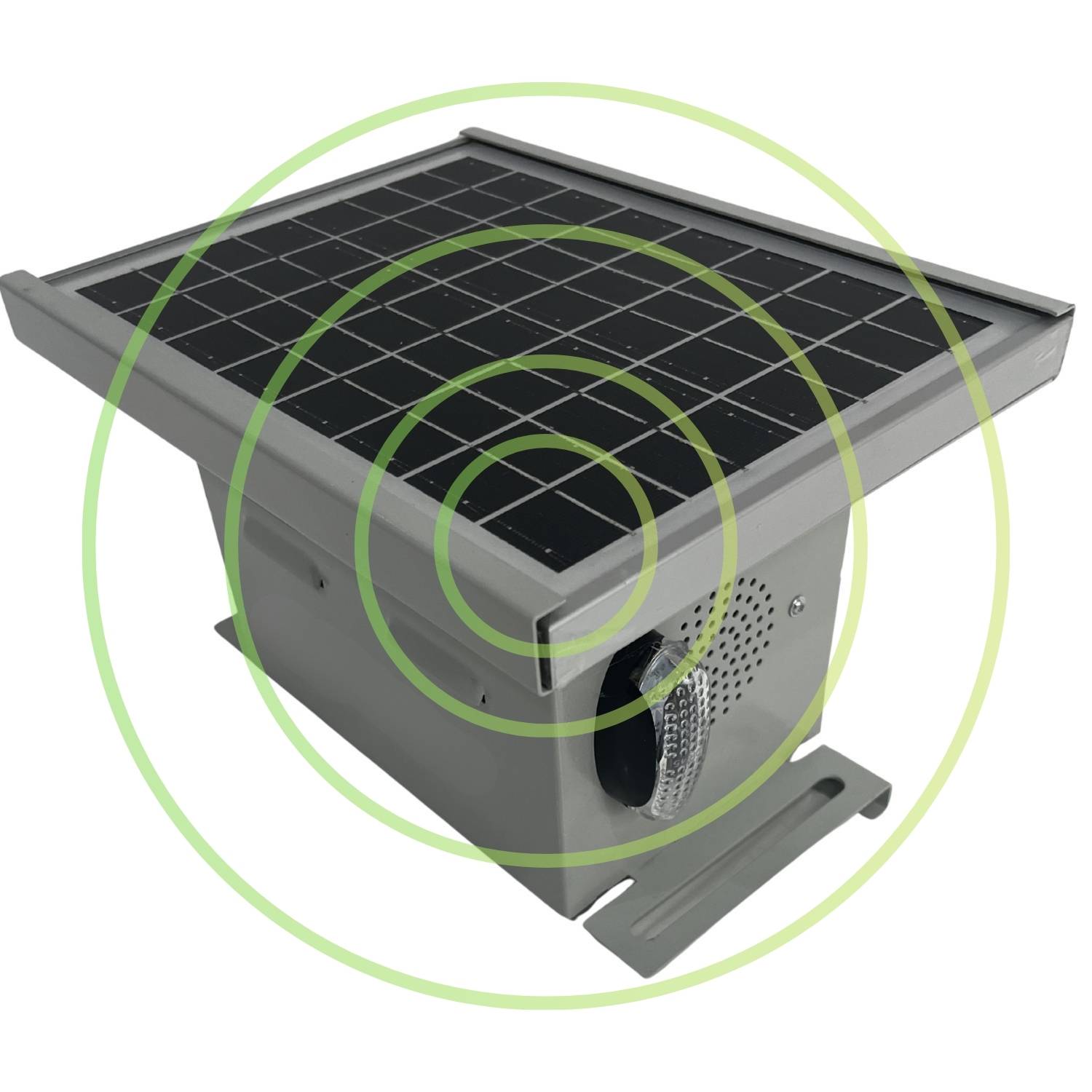
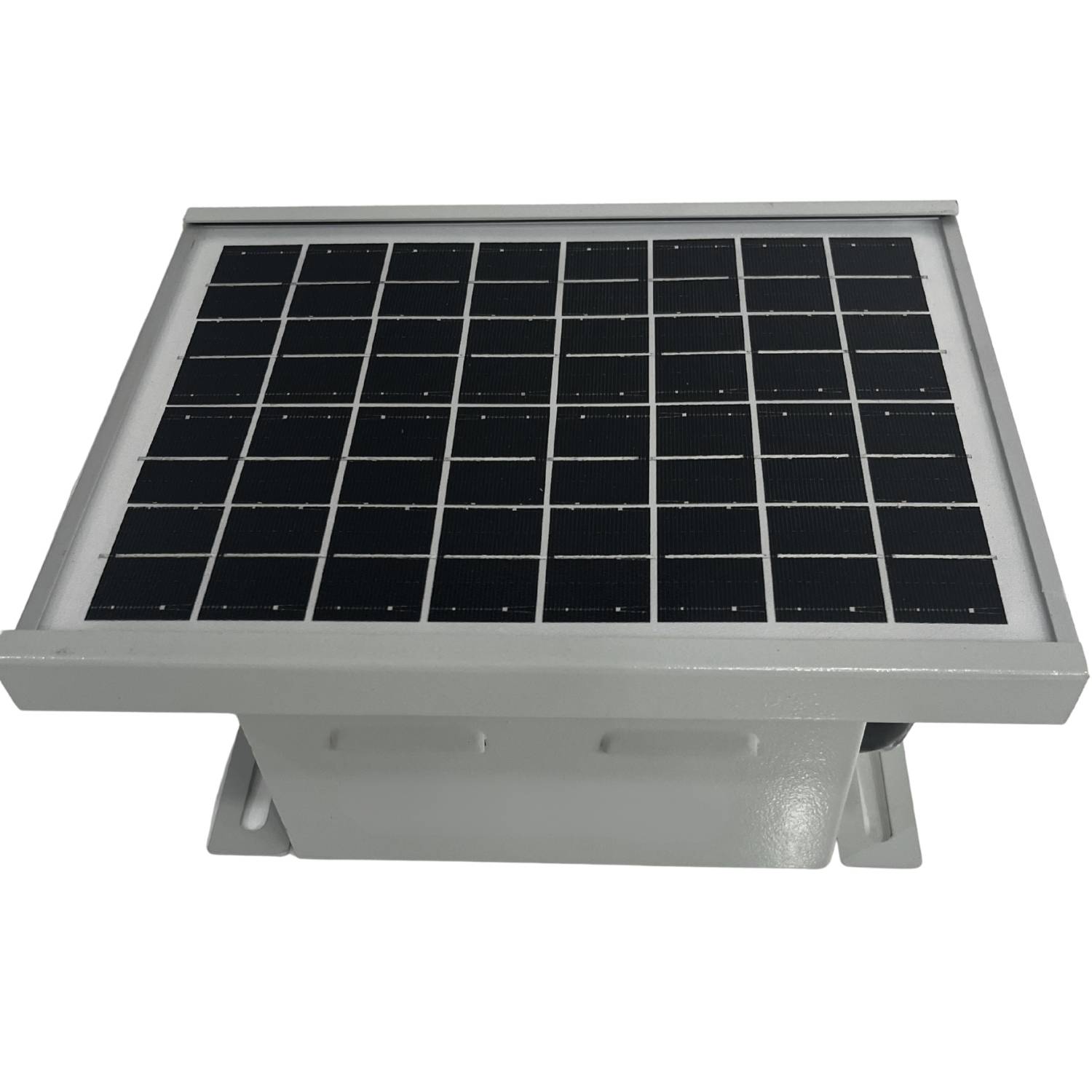
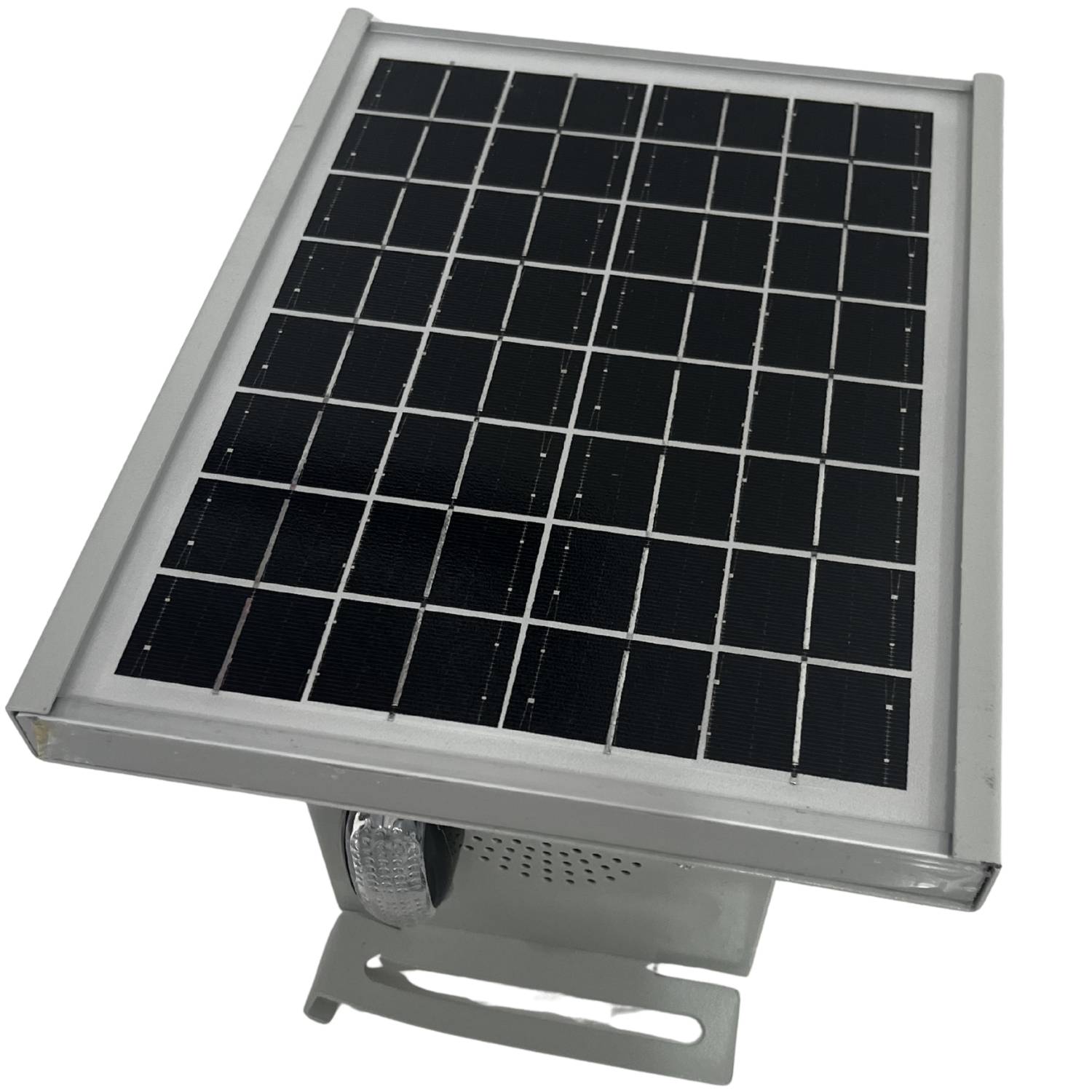
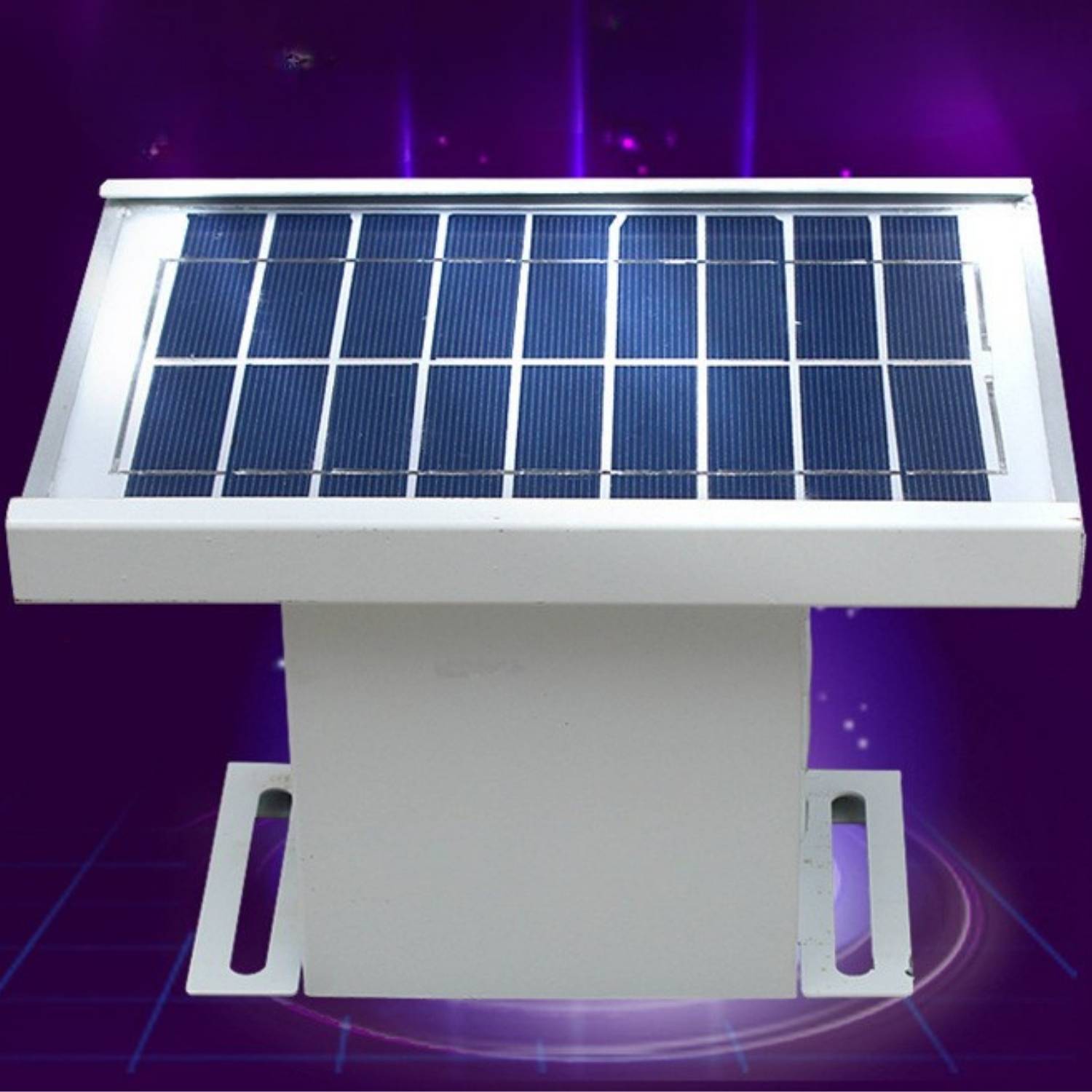
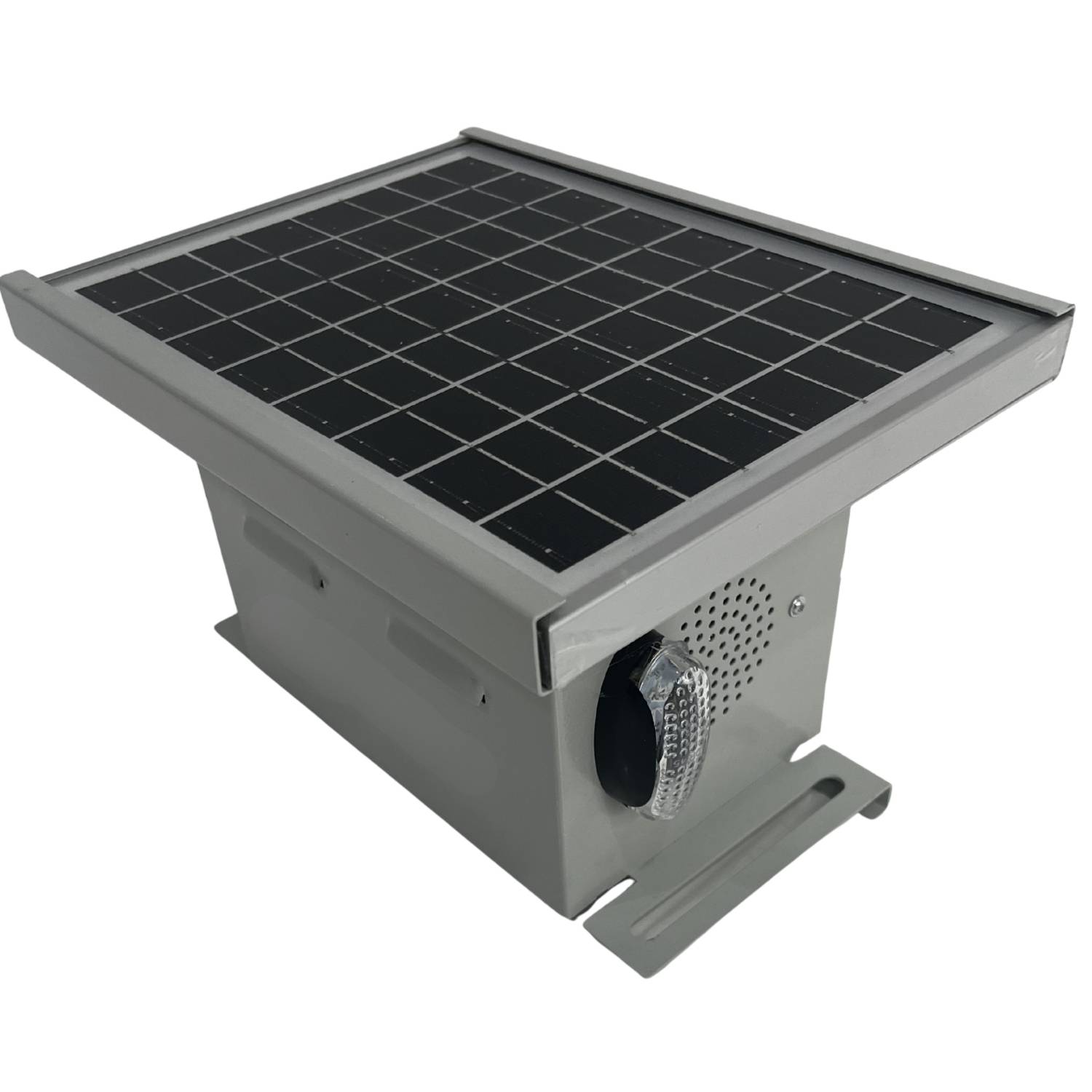
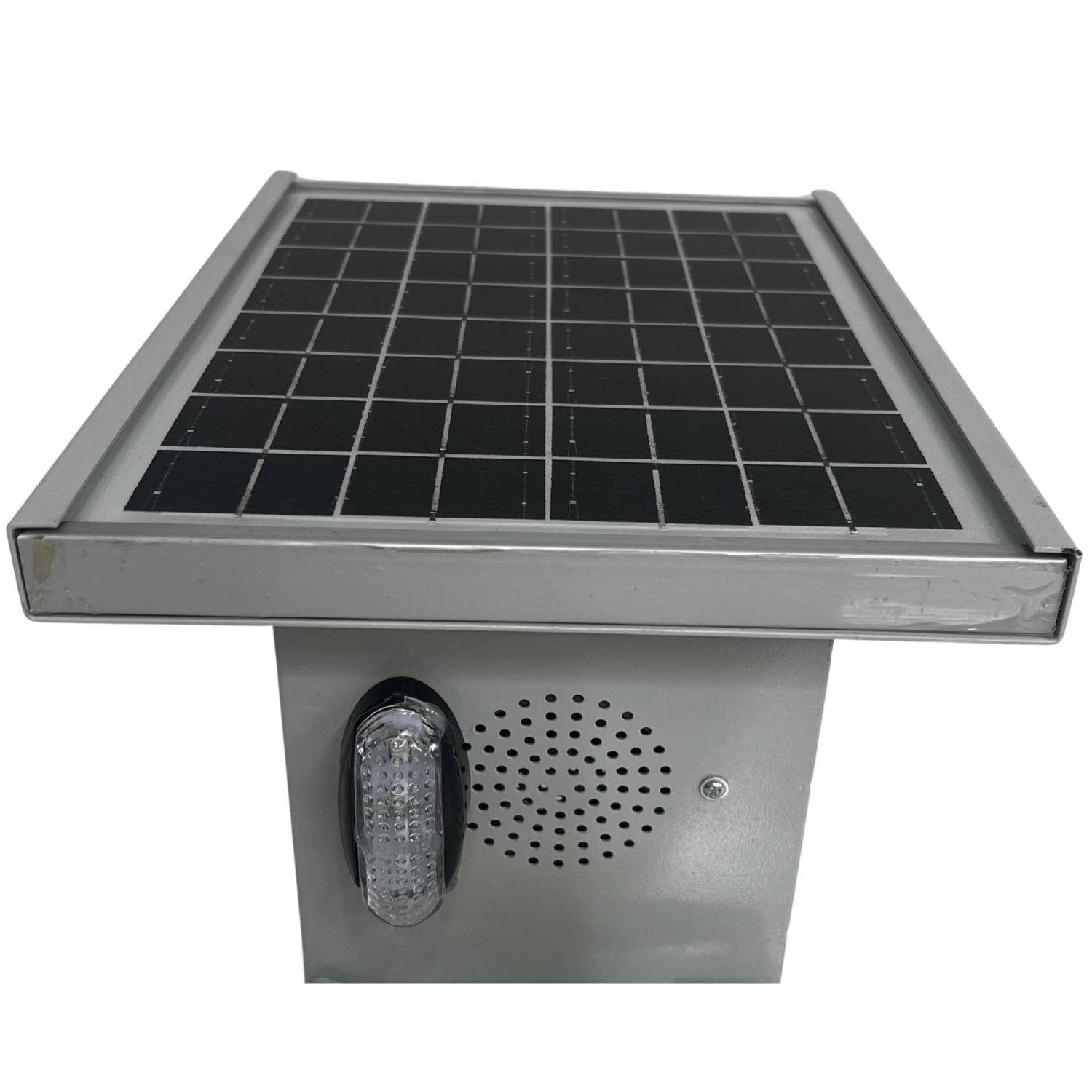
The defining feature of a solar powered bird repeller is its ability to generate and store its own energy. An integrated photovoltaic solar panel converts sunlight into electrical energy, which is stored in a rechargeable battery housed inside the device. This stored energy powers the deterrent mechanism continuously, day and night, without any connection to mains electricity or reliance on disposable batteries. The result is a genuinely autonomous device that works in remote fields, on isolated rooftops, aboard boats, and in any other location where running a power cable would be impractical or prohibitively expensive.
Reduced Long Term Costs
Every bird control method involves some upfront investment, but the ongoing costs vary dramatically. Mains powered devices add to your electricity bills month after month. Battery operated units require frequent battery replacements, which adds up quickly when you are running multiple devices across a large property. A solar powered bird repellent eliminates both of these recurring expenses. After the initial purchase and installation, the sun provides all the energy the device needs for years of continuous operation.
Environmental Responsibility
Solar energy is clean and renewable. Choosing a solar bird deterrent means you are not contributing to landfill waste from disposable batteries, and you are not drawing power from grids that may rely heavily on fossil fuels. For businesses with sustainability commitments and for environmentally conscious homeowners, solar powered bird control aligns perfectly with broader green goals.
Minimal Maintenance Requirements
With no wiring to inspect, no batteries to swap, and no fuel to replenish, solar bird deterrents are remarkably low maintenance. The solar panel benefits from occasional cleaning to remove dust or debris, and the rechargeable battery will eventually need replacing after several years of service. Beyond that, the device simply works on its own, requiring very little attention from you.
Types of Solar Powered Bird Repeller Devices
The solar bird deterrent market offers a range of device types, each designed to exploit different weaknesses in bird behaviour. Understanding the options helps you choose the most effective solution for your property.
Ultrasonic Solar Bird Deterrents
Ultrasonic deterrents emit high frequency sound waves that fall above the range of normal human hearing but cause significant discomfort to birds. These sound waves interfere with birds' nervous systems, making it impossible for them to settle comfortably in the protected zone. The best ultrasonic solar powered bird repellers use variable frequency technology that continuously shifts the output across a broad range, typically between 8 kHz and 30 kHz. This constant variation is critical because it prevents birds from habituating to a fixed signal, which is the main weakness of cheaper single frequency units.
Ultrasonic devices are ideal for situations where noise must be kept to a minimum. Because the sound is inaudible to humans, these units work well in residential areas, hospital grounds, school campuses, and office environments where audible alarms or predator calls would be disruptive.
Audible Sound Solar Bird Repellers
Audible solar bird deterrents take a different approach by broadcasting sounds that birds can hear and fear. These typically include recorded predator calls from raptors such as hawks, eagles, and falcons, as well as bird distress signals and startling noises like gongs, drums, or firecracker sounds. When a pigeon or starling hears the cry of a natural predator, its instinctive response is immediate flight.
The most effective audible repellers store large libraries of sounds and rotate through them automatically, so birds never hear the same sequence twice. This unpredictability is essential for long term effectiveness. Solar power ensures the speaker system and sound processor run continuously without draining conventional batteries, even in remote agricultural settings far from any power source.
Combining Ultrasonic and Audible Output
Many modern solar powered bird repellent devices combine both ultrasonic and audible deterrent modes in a single unit. This dual approach attacks birds through two separate sensory channels simultaneously, making it far more difficult for them to tolerate or adapt to the deterrent. Devices that alternate between ultrasonic cycles and audible cycles, with rest periods in between, strike an effective balance between deterrent intensity and energy conservation.
Visual Solar Bird Deterrents
Visual deterrents use light and motion to create an environment that birds perceive as threatening. Solar powered visual deterrents typically fall into two categories: rotating reflector devices and LED flash devices.
Rotating Reflector Devices
These devices use a small solar powered motor to spin reflective rods, prisms, or holographic surfaces. As they rotate, they catch sunlight from constantly changing angles, producing bright, unpredictable flashes and moving shadows that birds interpret as danger. Rotating reflectors are most effective in open outdoor spaces that receive direct sunlight, such as gardens, flat rooftops, agricultural fields, and waterfront areas. Their simplicity and durability make them a popular choice for large area coverage.
LED Flash Deterrent Devices
LED flash deterrents use high brightness light emitting diodes to produce rapid, alternating bursts of coloured light. Research has shown that birds are particularly sensitive to red and blue wavelengths, and devices that project alternating red and blue flashes through focused lenses create a powerful optical disturbance that unsettles birds and triggers avoidance behaviour. Because LED flash devices draw power from the solar battery rather than ambient sunlight, they work effectively both during the day and throughout the night, providing 24 hour visual deterrence.
Motion Activated Solar Bird Deterrents
Motion activated devices incorporate a passive infrared sensor that detects the movement of birds entering the protected zone. When triggered, the device activates its deterrent response, which might be a burst of water from a sprinkler, a sudden blast of sound, a flash of light, or a combination of these. When no motion is detected, the device remains in standby mode, conserving battery power.
The element of surprise is what makes motion activated deterrents so effective. Because the deterrent response only occurs when a bird is present, the bird directly associates the unpleasant experience with that specific location and quickly learns to avoid it. Solar power keeps the motion sensor and deterrent mechanism ready to respond at any time without external power input.
Multi Technology Solar Bird Deterrents
The most advanced solar powered bird repellent devices on the market combine three or more deterrent technologies into a single unit. A typical multi technology device might integrate ultrasonic output, high power audible predator calls, and red and blue LED flashing, all powered by a single solar panel and rechargeable battery. These all in one solutions deliver the highest level of effectiveness because they overwhelm multiple bird senses simultaneously, leaving no single adaptation pathway for the birds to exploit.
Multi technology devices often feature intelligent operating cycles that rotate through each deterrent mode with rest periods in between. For example, a device might run ultrasonic deterrence for three minutes, switch to audible deterrence for three minutes, then enter a seven minute rest period before repeating the cycle. This approach maximises deterrent impact while conserving stored energy and extending battery life.
How to Choose the Right Solar Powered Bird Repellent
With so many options available, selecting the right solar bird deterrent requires careful consideration of your specific circumstances. The following factors will guide your decision.
Identify the Target Bird Species
Different bird species respond differently to various deterrent methods. Pigeons are relatively sensitive to ultrasonic frequencies and visual disturbances. Seagulls, being bolder and more aggressive, often require a combination of loud audible deterrents and motion activated devices. Small passerines like sparrows and starlings are best deterred by multi technology devices that leave no sensory gap for them to exploit. Knowing which species you are dealing with allows you to select a device specifically designed to counter their behaviour.
Measure the Coverage Area
Every solar powered bird repeller has a specified coverage range, typically measured in square metres. Before purchasing, measure the area you need to protect and compare it against the device specifications. For small areas like balconies, patios, and individual rooftop sections, a single compact unit may be sufficient. For larger spaces such as warehouse roofs, agricultural fields, or parking structures, you will likely need multiple units positioned to provide overlapping coverage with no gaps.
Evaluate Sunlight Conditions
Since the device relies entirely on solar energy, the amount of direct sunlight available at your installation site is a critical factor. A location that receives six or more hours of direct sunlight per day will keep the solar panel charging efficiently and the battery fully topped up. If your installation site is partially shaded by trees, neighbouring buildings, or other structures, look for a model with a larger solar panel or a higher capacity battery that can accumulate and store enough energy during limited sunny windows to power the device through extended cloudy or overcast periods.
Consider Noise Sensitivity
If you are installing a solar bird deterrent near residential bedrooms, offices, hospital wards, or outdoor dining areas, noise levels matter. Ultrasonic devices and visual deterrents operate silently or near silently and are the best choices for noise sensitive environments. Audible predator call devices are highly effective but produce noticeable sound that may not be appropriate for every setting. Many devices offer adjustable volume controls and programmable operating schedules that let you fine tune output levels and active hours to suit your environment.
Think About Durability and Weather Resistance
Your solar powered bird repellent will be exposed to sun, rain, wind, and temperature extremes throughout its working life. Look for devices with robust, UV stabilised housings and a weatherproof rating of IP65 or higher. For coastal and marine environments where salt spray is a concern, corrosion resistant materials and sealed electronics are essential. A well built device should deliver years of reliable service without housing degradation or water ingress compromising the internal components.
Installation Best Practices for Solar Bird Deterrents
Even the best solar bird deterrent will underperform if it is installed incorrectly. Following a few key principles during setup will ensure you get maximum effectiveness from day one.
Position the Device at the Point of Activity
Install the device as close as possible to where birds are actively roosting, nesting, or feeding. If pigeons are lining your roofline, the deterrent belongs on the roof. If birds are raiding crops in a field, the device should be positioned within or adjacent to the affected crop rows. The closer the deterrent is to the problem area, the more directly it impacts the birds causing the issue.
Angle the Solar Panel for Maximum Exposure
The solar panel should face the direction that receives the most sunlight throughout the day. In the northern hemisphere, angle the panel toward the south. In the southern hemisphere, angle it toward the north. Avoid positioning the device where the panel will be shaded during peak sunlight hours, as this significantly reduces charging efficiency and can leave the battery underpowered.
Ensure Clear Line of Sight
Ultrasonic and audible deterrents rely on sound waves travelling unobstructed from the device to the target area. Solid walls, large equipment, and dense vegetation can block or deflect sound waves, creating dead zones where birds can shelter undisturbed. Visual deterrents similarly need an unobstructed line of sight to be effective. During installation, stand at the device location and visually confirm that the target area is clear.
Secure the Device Against Wind and Weather
Use the mounting hardware provided by the manufacturer and ensure the device is firmly attached to its mounting surface. Loose mounting allows wind to shift the device, changing the direction of sound and light output and potentially dislodging the unit entirely during storms. For exposed rooftop and coastal installations, consider adding secondary securing such as safety cables or reinforced brackets.
Getting the Most From Your Solar Powered Bird Repeller
Installation is just the beginning. The following strategies will help you maximise the long term performance of your solar bird deterrent.
Eliminate Competing Attractants
A solar powered bird repeller works by making an area uncomfortable for birds. But if that same area offers abundant food, water, or nesting opportunities, birds may tolerate the discomfort rather than abandon the reward. Remove or secure open rubbish bins, clean up food spillage, cover standing water, and block access to sheltered nesting spots. The less reason birds have to stay, the faster and more completely the deterrent drives them away.
Relocate the Device Periodically
Some bird species are intelligent enough to notice when a deterrent remains in exactly the same position for extended periods. Shifting the device to a slightly different location every few weeks maintains the element of unpredictability and prevents birds from mapping safe zones around a static deterrent. This is especially important with visual devices where birds may learn the fixed angle and direction of light flashes.
Layer Deterrents With Physical Barriers
For the most comprehensive bird control, combine your solar powered bird repellent with physical exclusion methods. Bird netting over vulnerable areas, spikes along ledges and beams, and wire mesh over vents and openings physically prevent access to favoured roosting and nesting sites. The solar deterrent then discourages birds from lingering in the broader vicinity, creating a two layer defence that addresses both the immediate problem and the wider bird pressure on your property.
Maintain the Solar Panel
A clean solar panel charges efficiently. A dirty one does not. Dust, pollen, fallen leaves, and bird droppings can all accumulate on the panel surface and reduce the amount of sunlight reaching the photovoltaic cells. Wipe the panel with a soft, damp cloth every two to four weeks, or more frequently if your environment is particularly dusty or if the device is positioned beneath trees. This simple habit ensures the battery stays fully charged and the deterrent operates at peak performance.
Monitor and Adjust Over Time
After installation, observe how birds respond over the first two to four weeks. It is normal for established bird populations to take several days to fully vacate an area they have occupied for a long time. If you notice birds persisting in certain spots, adjust the position or angle of the device to better cover those areas. If a single device is not providing complete coverage, add a second unit to fill the gap. Effective bird control is an ongoing process of observation and refinement, and a willingness to make small adjustments will deliver significantly better long term results.
Solar Bird Deterrents Across Different Environments
One of the greatest strengths of solar powered bird repellers is their versatility. Because they require no external power, they can be deployed effectively in virtually any environment.
Residential Properties
Homeowners use solar bird deterrents to protect rooftops, gutters, balconies, patios, swimming pools, vegetable gardens, and ornamental landscaping. Compact, quiet models with ultrasonic output or subtle visual deterrence are ideal for residential settings where aesthetics and noise levels matter.
Farms and Agricultural Land
Farmers rely on solar powered bird repellers to safeguard crops, orchards, vineyards, fish ponds, and grain storage areas from bird damage. Robust multi technology devices with wide coverage ranges and powerful audible output perform best in open agricultural settings where large flocks can descend quickly and inflict devastating losses.
Industrial and Commercial Facilities
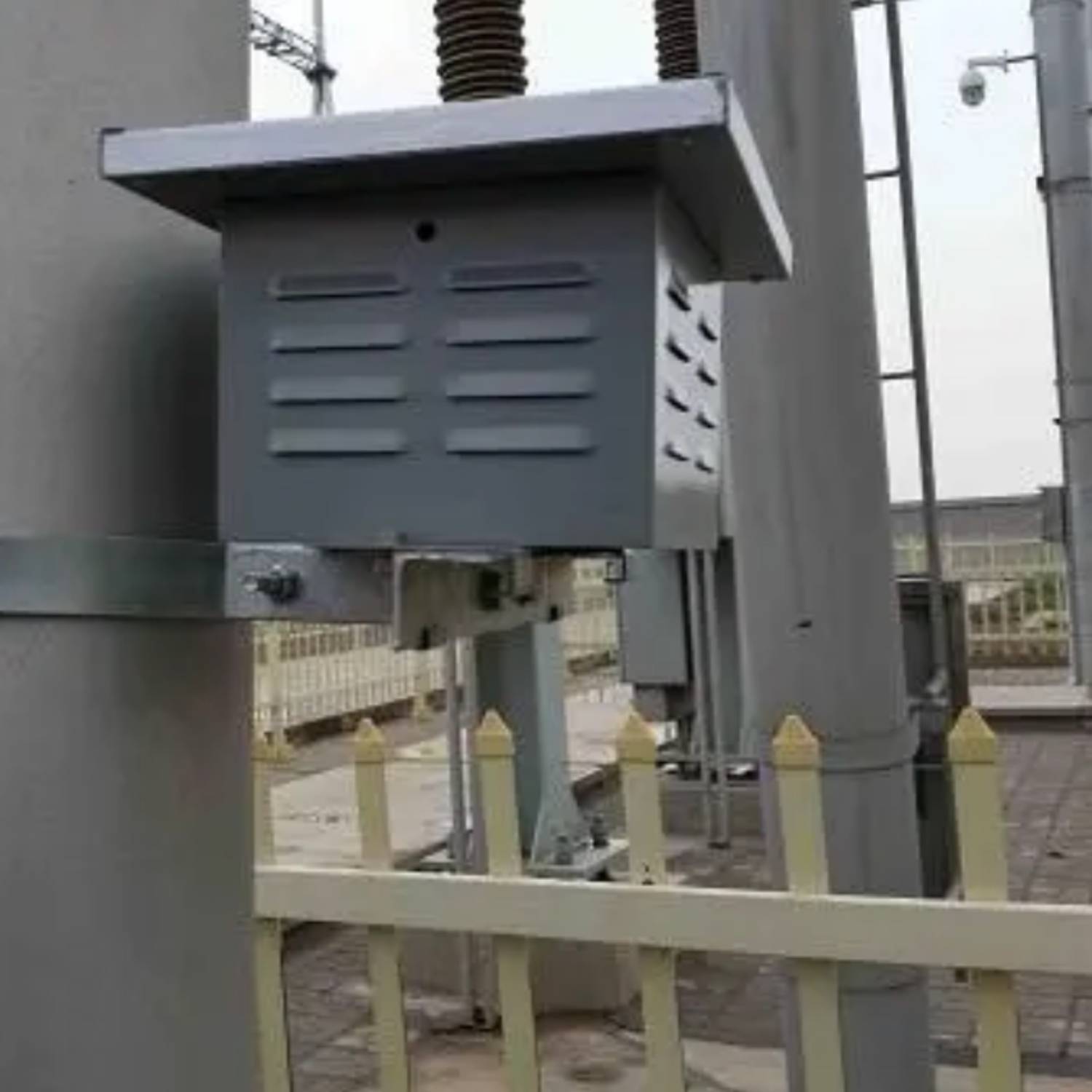
Warehouses, distribution centres, factories, power substations, airport facilities, and retail premises all benefit from professional grade solar bird deterrents. These environments often require multiple networked units to cover expansive floor plans and rooftop areas, and commercial models are designed for exactly this type of large scale deployment.
Marine and Coastal Locations
Boats, marinas, docks, piers, and waterfront dining areas face relentless bird pressure from seagulls, cormorants, and pelicans. Solar bird deterrents built for marine use feature corrosion resistant housings, enhanced waterproofing, and compact designs that fit on rails, masts, and narrow dock posts. Solar power is especially valuable in these settings where electrical connections are rarely available.
The Technology Behind Modern Solar Bird Deterrents
The solar bird deterrent market has advanced significantly in recent years, driven by improvements in solar panel efficiency, battery technology, sensor design, and audio engineering.
Advances in Solar Panel Efficiency
Modern monocrystalline solar panels convert a higher percentage of available sunlight into usable electrical energy than older polycrystalline designs. This means today's devices can charge faster, store more energy, and maintain operation during overcast conditions that would have drained earlier generation models. Emerging technologies such as perovskite solar cells promise even greater efficiency gains in the near future.
Smarter Battery Management
Lithium ion and lithium polymer batteries have replaced older nickel cadmium cells in most quality solar bird deterrents. These modern batteries offer higher energy density, faster charging times, longer cycle life, and better performance in extreme temperatures. Paired with intelligent charge controllers that optimise the charging cycle and prevent overcharging, today's solar bird repellers deliver more consistent power output and significantly longer battery lifespans than their predecessors.
Precision Audio and Ultrasonic Engineering
Voice IC chips that are precision matched to speaker units now achieve sound efficiency ratios exceeding 98%, meaning virtually no stored energy is wasted during audio output. High power horn speakers deliver intense sound pressure across wide areas, and onboard sound libraries containing dozens of predator calls and deterrent noises provide the variety needed to keep birds from adapting. Variable frequency ultrasonic emitters sweep continuously across the effective range, maintaining persistent pressure on birds' nervous systems without falling into predictable patterns.
Intelligent Automation and Sensors
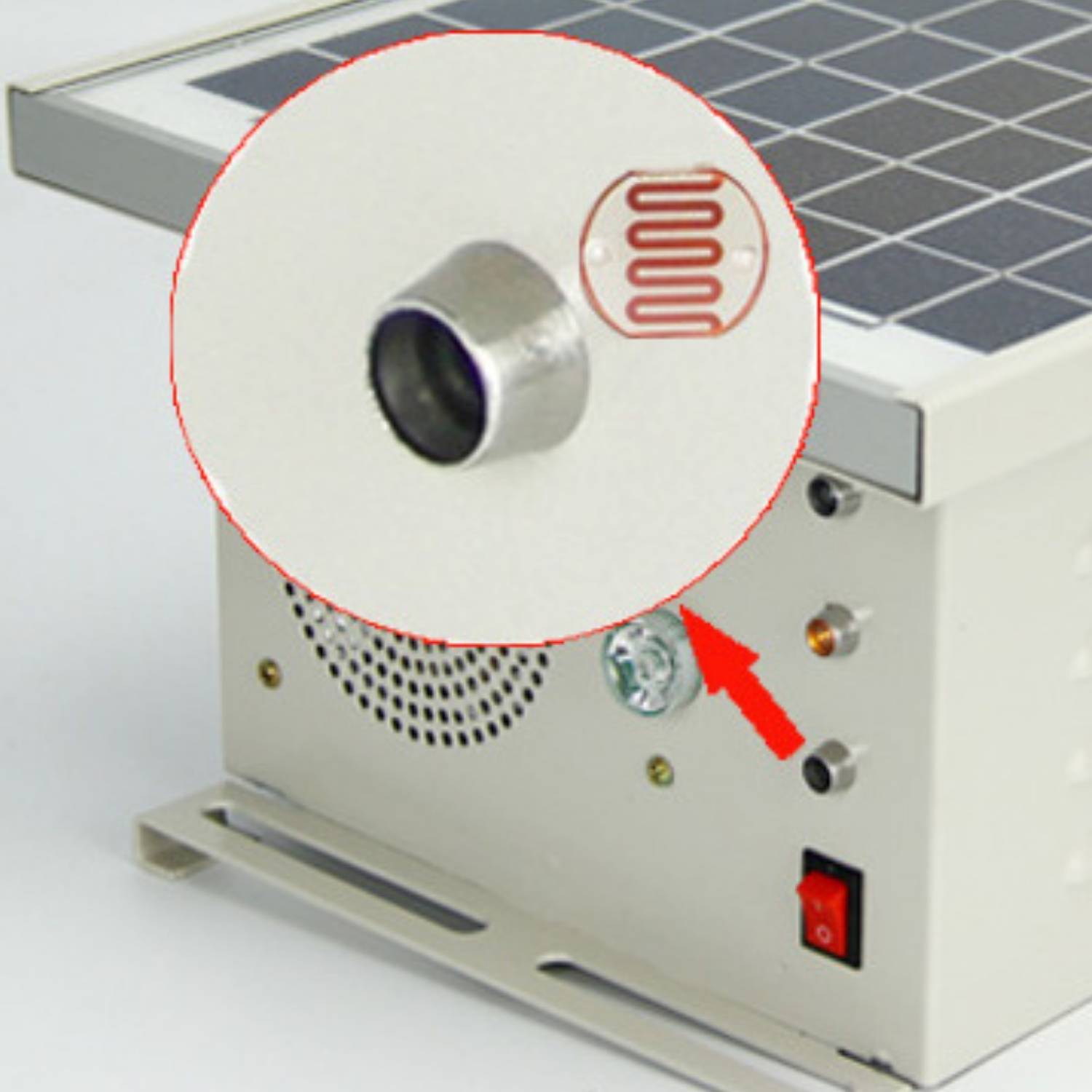
Built in photoresistors allow devices to detect daylight and darkness automatically, activating full deterrent operation during peak bird activity hours and entering low power standby mode at night. Motion sensors trigger instant deterrent responses when birds enter the protected zone, adding an element of surprise that reinforces avoidance behaviour. Some advanced models even incorporate connectivity features that allow remote monitoring and adjustment via smartphone applications, giving property managers real time visibility and control over their bird deterrent systems from anywhere.
Making the Right Investment in Solar Bird Control
A solar bird deterrent is one of the smartest investments you can make in long term property protection. The damage caused by unchecked bird activity compounds over time, eating into maintenance budgets, degrading assets, threatening health and hygiene standards, and diminishing the comfort and usability of your spaces. A quality solar powered bird repeller addresses all of these issues in one self sustaining package that works around the clock with minimal input from you.
Take the time to assess your specific bird problem, match the right deterrent technology to the species and environment you are dealing with, install the device according to best practices, and support it with good property housekeeping. A well chosen and properly maintained solar powered bird repellent will deliver years of reliable, humane, and cost effective bird control, keeping your property clean, safe, and free from the problems that pest birds bring.